
Unit Pricing: The Shelf Tag Detail Most Shoppers Overlook

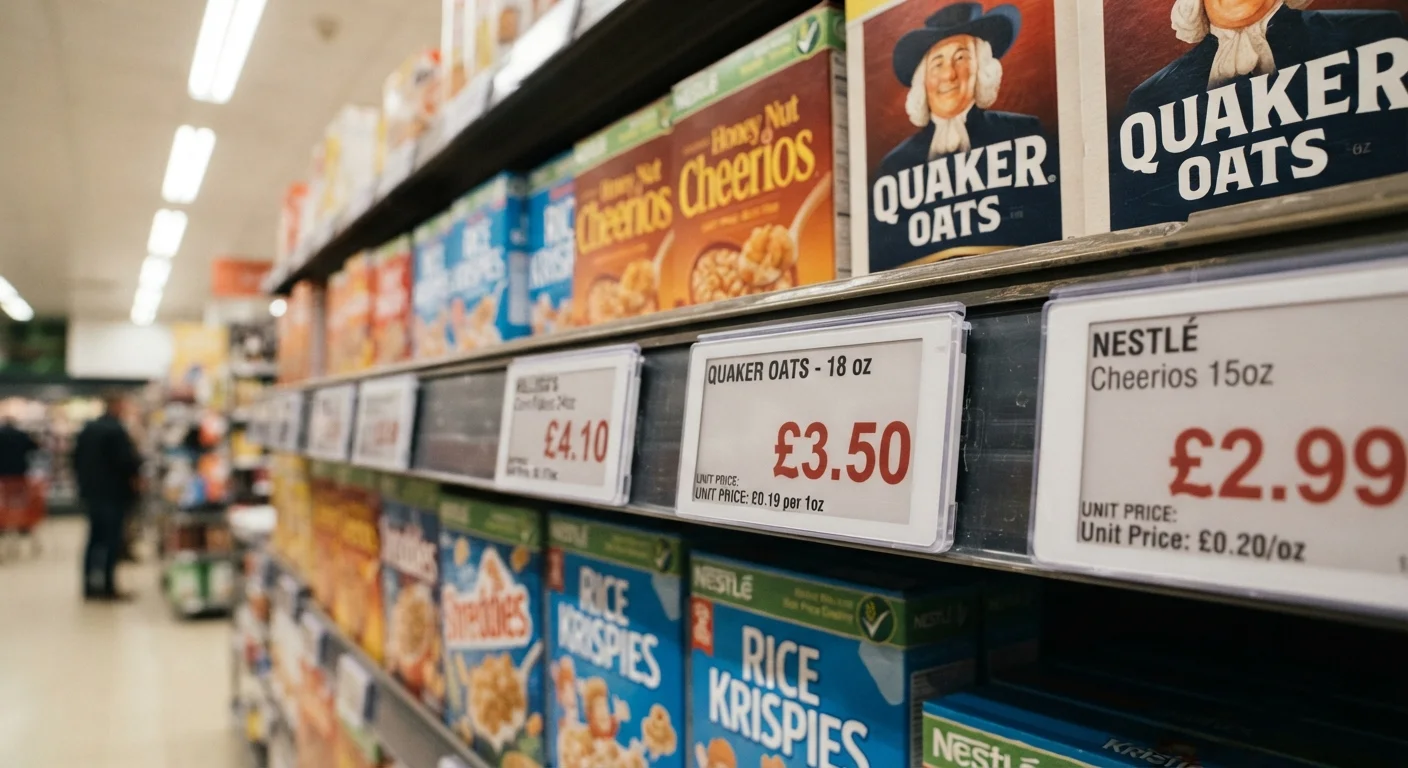
Photo: UltraSearches.com | Search Results You Can Trust editorial
Key Takeaways
- Unit price is typically displayed in small print on the lower portion of a shelf tag.
- The unit of measurement must match between products for a valid comparison.
- Larger package sizes do not always have a lower unit price than smaller ones.
- Sale prices can shift unit cost calculations significantly - always check the current unit price.
- Unit pricing applies beyond groceries: paper goods, cleaning supplies, and pet food all use it.
What Unit Pricing Actually Shows You
Every time you stand in a grocery aisle comparing two differently sized bottles of dish soap, you're facing the core problem unit pricing solves. The sticker price tells you what you'll hand over at checkout - it doesn't tell you what you're actually getting for that money.
Unit price converts the total cost into a common denominator. A $6.49 laundry detergent listed at $0.19 per ounce and a $4.29 competitor at $0.22 per ounce are immediately comparable. Without that per-ounce figure, most shoppers default to whichever total price feels lower - which can lead to consistently overpaying over time.
The same logic applies far outside the detergent aisle. Paper towels priced per square foot, yogurt per ounce, vitamins per tablet, coffee per ounce - unit pricing cuts through packaging variation and marketing to give you the actual cost of what you're consuming. It's also worth pairing this awareness with a broader understanding of how retail pricing tactics shape perceived value, since shelf placement and visual design often work against rational comparison.
~70%
Shoppers who rarely check unit prices
Consumer behavior research consistently finds the majority of grocery shoppers focus primarily on total shelf price rather than unit cost when making purchase decisions.
2-3×
Unit price premium for travel or single-serve sizes
Single-serve and travel-format products frequently carry unit prices two to three times higher than standard sizes of the same product, though exact differences vary by category and retailer.
35+ states
U.S. states with unit pricing regulations
A majority of U.S. states have enacted laws requiring unit pricing disclosures for grocery items, though the specific categories and formats covered differ by jurisdiction.
How to Read a Shelf Tag Correctly
A standard U.S. grocery shelf tag typically contains several fields. The large, prominent number is the selling price - the amount you pay. Nearby, usually in smaller print or a separate shaded area, you'll find the unit price with its corresponding unit of measure.
A few things to verify before treating unit prices as directly comparable:
- Unit type must match. Comparing cost per ounce to cost per count isn't meaningful. Both tags need to use the same measurement unit.
- Check whether the unit reflects actual use. For concentrated products like cleaning sprays or detergents, cost per load or per diluted use is often more relevant than cost per fluid ounce of concentrate.
- Sale tags update the unit price. A discounted item's unit price should reflect the promotional rate - confirm the tag is current before basing a decision on it.
- Store vs. name brand comparisons. Unit pricing makes these direct comparisons straightforward, which is one of its most practical applications.
Use Your Phone for Missing Unit Prices
If a tag is missing a unit price - which can happen with some specialty or non-food items - divide the total price by the package quantity or weight yourself. The math is simple and takes seconds on a phone calculator.
When Bigger Isn't Cheaper - And When It Is
The intuition that larger packages always cost less per unit is widespread but not reliably true. Retailers price products based on a range of factors including supplier costs, shelf space economics, and promotional strategy - not a fixed rule about size.
Consider how this plays out in practice: a warehouse club size of a pantry staple may carry a genuinely lower unit cost, but a grocery store sale on a mid-size package can temporarily undercut it. Likewise, single-serve or travel-size formats often carry a steep unit-price premium - sometimes two to three times the cost of a regular size - but may be the practical choice when you don't want to commit to a full package.
This connects directly to a broader question about bulk purchasing strategy. Buying in bulk isn't always the smarter move - storage space, shelf life, and actual usage rates all factor into whether a lower unit price translates into real savings or just a larger quantity of something you won't fully use.
Applying Unit Pricing Beyond the Grocery Store
Unit pricing isn't exclusive to food. Once you start looking for it, you'll find it across product categories where quantity and packaging vary:
- Pet food: Cost per pound or per serving helps compare bag sizes and formulas. For more on reading those labels fully, see reading pet food labels without getting lost in the fine print.
- Paper products: Towels and tissue are commonly priced per sheet or per square foot.
- Personal care: Shampoo, conditioner, and lotion labels often show cost per fluid ounce.
- Cleaning supplies: Particularly relevant for concentrates versus ready-to-use formats.
For packaged food specifically, unit price works alongside nutrition label information - the nutrition label tells you what's in a product, while the unit price tells you what you're paying per unit of it. Both pieces of information matter when evaluating value.
And if you want to make sure unit price is the only cost you're accounting for, remember that hidden checkout costs like shipping fees and service charges can erode unit-price savings, particularly when ordering online.
This article is for general informational and educational purposes only. Individual product pricing, availability, and labeling practices vary by retailer and region.
Frequently Asked Questions
The content on this site is for informational purposes only and is not a substitute for professional advice. Always consult a qualified professional for guidance specific to your situation.